AI accelerates vulnerability discovery as critical infrastructure faces a patching gap
Satya Nadella’s warning about connected systems that cannot be readily updated aligns with CISA guidance and new Forescout research. The response requires inventory, isolation, replacement and recovery planning alongside faster patching.
Where and when Nadella delivered the warning
Microsoft chief executive Satya Nadella said at the New York Times DealBook Summit on 18 November 2026 that much critical infrastructure cannot be readily patched. Lucas Ropek, a senior writer at the US-based publication TechCrunch, reported the remarks that day. Nadella cited firmware, data-centre chillers, HVAC equipment and transportation systems connected to the internet. He also described a recent Outlook disruption as a latent bug that combined with other conditions. TechCrunch noted that officials had rejected speculation linking recent outages to cyberattacks, so the remarks did not amount to confirmation of an attack.
What unpatchable means in operational systems
Unpatchable can describe several conditions. A vendor may have ended support and stopped producing firmware. A fix may exist, yet installing it can require downtime that a hospital, transport operator, energy facility or building-control system cannot easily accept. Embedded TCP/IP software also has a long delivery chain. A correction must move from the software maintainer to a device maker, into a firmware release and finally to the operator. The problem is therefore broader than the availability of a patch file. It includes whether the correction can reach the device and be deployed without creating an operational or safety failure.
Forescout measured the change in discovery speed
Forescout’s Vedere Labs tested a specialized AI-assisted research harness on ten TCP/IP stacks relevant to critical infrastructure. Researchers confirmed 99 vulnerabilities in 90 hours. Sixty-six were new, 54 were reported to vendors or maintainers, and 52 percent were rated high or critical severity. The reported static-analysis spend was 935 dollars, or an average of 2.58 dollars per finding. Compared with earlier manual work on the same class of software, the team estimated that code-analysis time fell from about nine months to 90 hours. Industrial Cyber writer Anna Ribeiro separately examined the results on 13 November and highlighted the supply-chain implications for OT, IoT, medical devices and network equipment.
The study does not prove autonomous compromise
The experiment does not show that an AI system can independently compromise every critical installation. Forescout combined a custom harness, deterministic analysis, reverse engineering, dynamic validation and expert review. The stated model cost excluded the work required to design and refine that system. Source-code targets were faster and more precise to analyze than binary targets. At publication, only five of the 54 newly reported findings had been fixed. The important conclusion is therefore the widening speed gap between vulnerability discovery and remediation, rather than a claim that compromise is automatic or inevitable.
Defence when a patch cannot be installed
The US Cybersecurity and Infrastructure Security Agency recommends a reduce, replace and recover approach. Operators should identify and replace end-of-support equipment, remove unnecessary exposure and isolate devices that cannot be patched so they accept only required traffic. Asset inventories, network segmentation, logging and exercised incident-response plans must work together. CISA also asks critical operators to test how essential functions would continue without normal communications or internet access. A measurable response to Nadella’s warning would identify unsupported devices, record which systems cannot tolerate downtime and assign each one a replacement plan or compensating control.
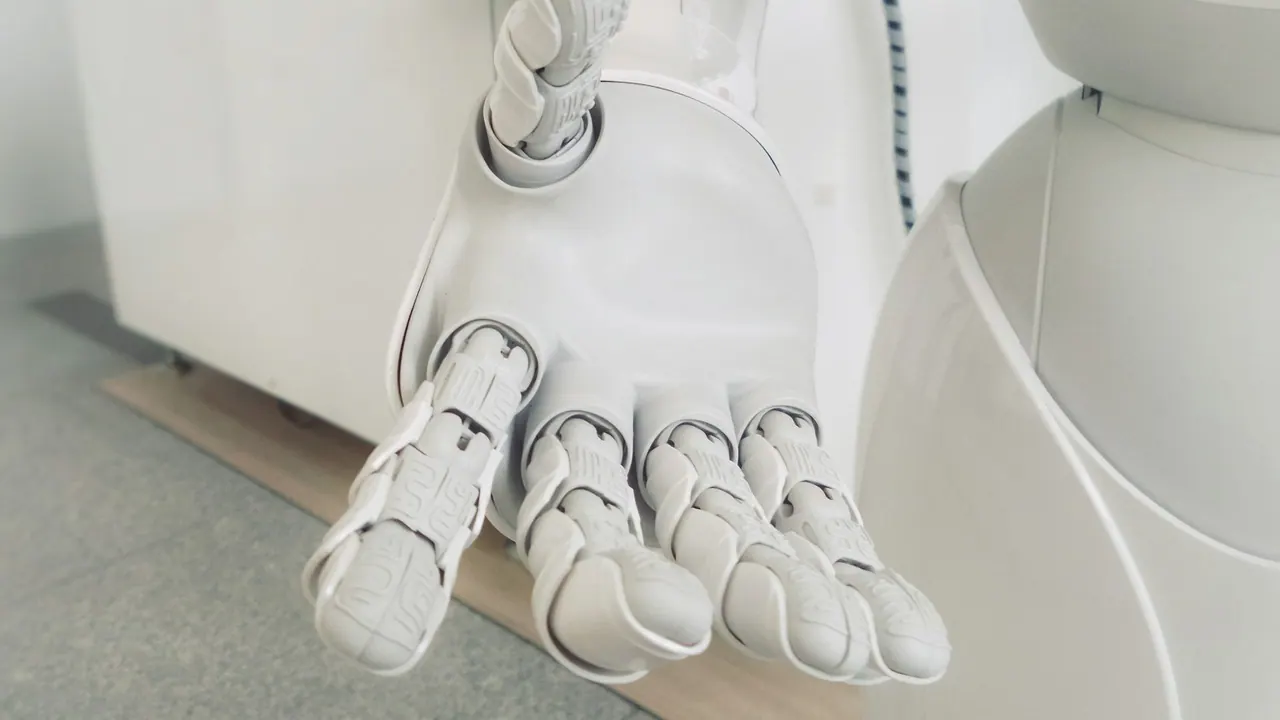
Illustrative news photo · Franck V. / Unsplash ↗
Sources and verification
- Primary sourceForescout Vedere Labs ↗
- Technical documentCISA ↗
- Reporting / cross-checkIndustrial Cyber — Anna Ribeiro ↗
- Reporting / cross-checkTechCrunch — Lucas Ropek ↗
Comments
1 commentsReader question: In which practical scenario would this technology be useful?
Write a comment
Sample comments and editor reply
Discussion example — not real reader feedback. Names and conversations in this area are fictional. Likes and replies here are not saved and do not count as real engagement.
Example counters: 18,231 reads · 651 likes — not actual analytics
Reading “AI accelerates vulnerability discovery as critical infrastructure faces a patching gap” raised this question for me: independent tests should precede firm conclusions.
Editor note: Forward-looking claims in an announcement are not the same as established performance results. Further evidence may change the assessment.
It is important to distinguish what the source verifies from projections about the future.
The next version's measurements should be compared with the initial announcement.
Editoryal soru / Editorial question: Kurumunuzda güncellenemeyen veya üretici desteği sona ermiş cihazları nasıl envanterliyor ve hangi yalıtım ya da yenileme kontrollerini uyguluyorsunuz? / How does your organization inventory devices that cannot be updated or are out of support, and which isolation or replacement controls do you apply?