EU education package takes on AI, digital skills and teacher shortages: What is changing?
The European Commission's November 5, 2026 Education and Skills Package focuses on foundational learning, AI and digital education, teacher support and vocational training. We review the proposals alongside UNESCO's human-centered guidance.
More than a plan to install new software in classrooms
On November 5, 2026 the European Commission presented its Education and Skills Package, responding to declining foundational skills, workforce changes and teacher shortages. The inclusion of artificial intelligence and digital tools is significant, but the initiative is not simply a plan to purchase more devices for schools. More hardware does not automatically produce better learning outcomes.
The package has four broad priorities: strengthening basic skills, making safe and effective use of AI and digital education, improving support for teachers and modernizing vocational education. These priorities outline policy goals and potential cooperation across education systems. They are not evidence that every proposed measure has already been adopted or that results have been measured.
Keeping human judgment in AI-supported learning
Students using AI should still learn to evaluate accuracy, question sources and explain how they reached a conclusion. A model might help a teacher prepare differentiated examples, but the availability of an automatic answer is not a measured educational benefit on its own. The Commission's new package treats digital literacy and human skills as related rather than competing goals.
UNESCO's guidance on generative AI in education provides a separate international framework concerned with privacy, age-appropriate use and human-centered evaluation. It was published before the new EU package and should not be confused with one of its binding provisions. Together, the documents provide a useful way to examine whether technology serves educational objectives.
- 1Identify gaps in foundational learning
- 2Match digital tools to teaching goals
- 3Protect privacy and teacher oversight
- 4Measure actual student learning outcomes
Why support for teachers matters as much as new tools
Teachers are responsible for translating software capability into classroom activities and assessing what pupils have understood. If professional development and support are insufficient, digital tools can become little more than presentation systems or answer generators. The Commission therefore links educational modernization to working conditions, training opportunities and the appeal of the teaching profession.
A UNESCO statement issued during Digital Learning Week in September 2026 separately stressed accountability, public governance and the rights of learners and teachers as AI becomes more common. That is independent context, not a report measuring the impact of the EU proposals. Whether educators receive useful support will be a key implementation question.
Vocational education and changes in technology work
The package also calls for a more adaptable vocational education and training system. Rapid changes in software, data analytics and industrial automation mean that teaching only one version of a popular tool may leave learners unprepared for the next generation of work. Strong problem-solving skills and the ability to learn new systems can be more durable goals. The proposed VET strategy aims to improve the connection between training and evolving labor-market needs.
Announcing a strategy does not show that employment outcomes have already improved. Decisions about funding, curriculum changes, institutional partnerships and the evaluation of programs remain part of future implementation. The relationship between digital competence and basic literacy deserves attention throughout that process.
The next dates and evidence to watch
The Commission announced a European Education and Skills Summit for November 20, 2026 to help launch implementation discussions. As of November 17, that summit is still in the future; its decisions should not be presented as completed events. Progress should be assessed against metrics such as basic-skills performance, teacher participation in training, unequal access to learning tools and digital literacy.
No single policy announcement can guarantee improvement in all these areas. The Commission documents explain the proposed direction, while UNESCO offers an independent perspective on ethical technology use in education. The lasting result will depend on the programs countries put in place and what subsequent research shows about students and educators.
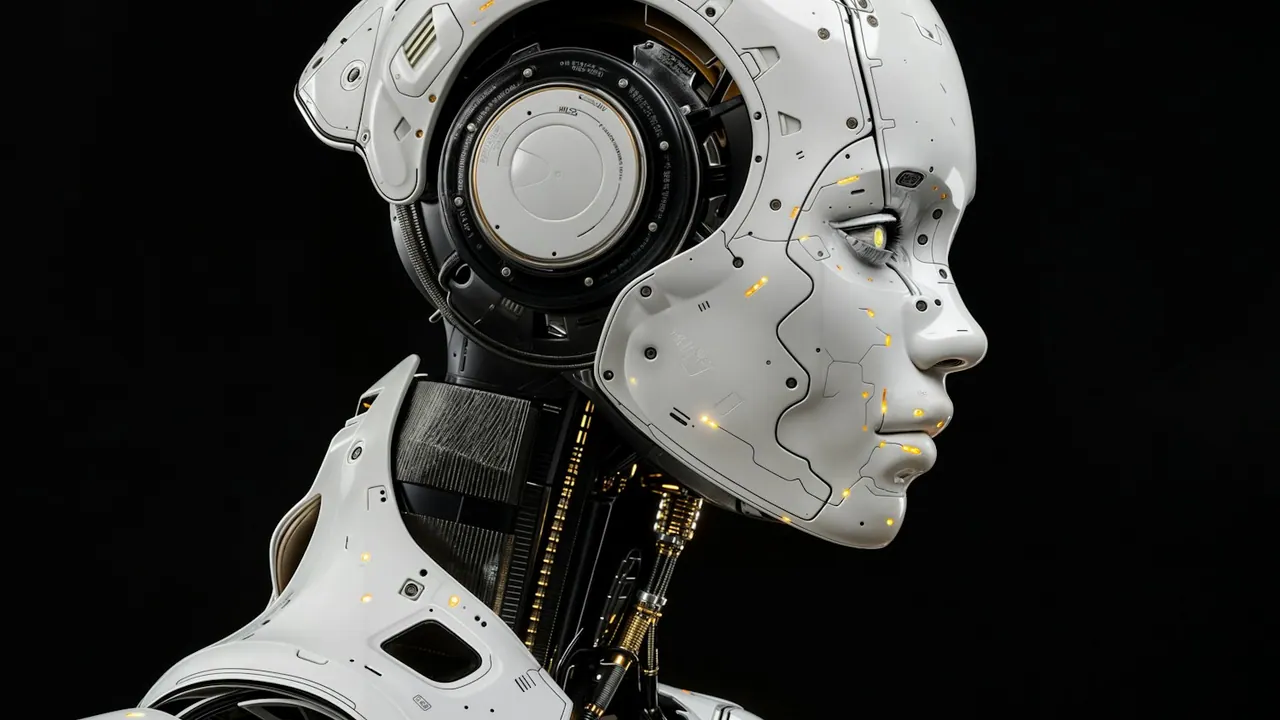
Illustrative news photo · Gabriele Malaspina / Unsplash ↗
Sources and verification
- Primary sourceEuropean Commission — Education and Skills Package ↗
- Technical documentEuropean Education Area — paket kapsamı ↗
- Technical documentEuropean School Education Platform — öğretmenler ve AI ↗
- Reporting / cross-checkUNESCO — 2026 Dijital Öğrenme Haftası ↗
- BackgroundUNESCO — eğitimde üretken yapay zekâ rehberi ↗
Comments
Reader question: What is your view or technical question about this story?
No comments yet. Be the first to contribute.
Reading “EU education package takes on AI, digital skills and teacher shortages: What is changing?” raised this question for me: real operating conditions should be discussed.
Editor note: Security and failure modes require evidence beyond a launch post. We will revisit the assessment as the source is updated.
Features are only part of the story: security and privacy deserve their own review.
I would compare the announcement against independent benchmarks before making a decision.
✎ Write a comment