SmallRig’s Shenzhen forum: AI, authentic imagery and the future of art
A November 11 forum co-hosted by SmallRig and Shenzhen International Art Museum explored human authorship and generative imagery. We examine the reported remarks alongside ZKM's work and C2PA's media-provenance standard.
What took place on November 11?
SmallRig and Shenzhen International Art Museum say they co-hosted an international discussion on November 11, 2026, exploring how artificial intelligence is changing visual creation and the wider art ecosystem. In a company release dated November 14, SmallRig identified museum leaders in China, artists, ZKM curator Anett Holzheid and co-founder Gao Haiyan as participants. The stated central question was how human experience, judgment and presence remain relevant when generative tools can produce convincing images.
The evidence has a clear boundary: event details and attributed remarks largely come from the company's announcement. No independently measured attendance, controlled experiment, product performance result or quantified effect on the creative economy was provided. It would therefore be misleading to treat the meeting as proof of a technological breakthrough. It documents positions expressed by its reported participants and questions that may guide subsequent research.
How museums describe practical uses of AI
According to the release, Guangdong Museum of Art director Wang Shaoqiang described using AI to help create short films about classic artworks, reducing production costs and time. The statement does not provide a budget, percentage saving or controlled comparison. Zhang Zikang, director of Shenzhen International Art Museum, described art and technology as a priority rooted in the city's technology environment. These comments indicate institutional intentions and experiences, not proof that all museums would achieve the same results.
The account also attributes to curator Anett Holzheid the view that exhibitions bring artists, curators and audiences together, while AI may extend perception and cross-disciplinary collaboration. This raises a practical question beyond image generation: how should AI-assisted works be presented, explained and experienced? Evidence that audiences actually benefit would require independent observation, accessibility research and clearly defined outcomes rather than promotional claims.
Where the artist's decisions still matter
Artist Zadok Ben-David reportedly used AI to explore possible bird forms for an installation, refining the generated options and selecting what belonged in the final work. A photographer compared an AI-generated lightning strike with a desert scene he personally photographed and noted the sameness that can emerge from generated material. Spatial artist Feng Yu emphasized imperfections and unplanned outcomes as potentially meaningful parts of an artwork.
These cases illustrate distinct stages of creative work. A model can propose alternatives, but a person may establish the purpose, choose materials, refine composition and decide what viewers should encounter. That observation is not a universal verdict on the originality of AI-supported work, nor does it automatically resolve copyright and attribution questions. Aesthetic agency, production workflows and legal rights remain related but separate matters.
Authenticity is also a technical provenance question
SmallRig co-founder Gao Haiyan presented AI as a useful creative instrument while arguing that it cannot replace lived experience or the act of capturing a real scene. This is a company position, not an independently measured finding about the market for photography. As generated images become more persuasive, visual inspection alone may be insufficient to establish where an image came from or how it was changed.
The C2PA Content Credentials specification offers a separate technical approach. It describes digitally signed statements about the creation and editing history of media assets, along with mechanisms for binding provenance information to content. Such records can provide useful signals about origin and processing. They do not guarantee that every depicted claim is true; their absence does not, by itself, establish manipulation. Responsible verification still requires source evaluation, context and additional evidence.
An independent example from ZKM's 2026 programme
The ZKM Center for Art and Media Karlsruhe, whose curator was named in the Shenzhen announcement, independently documented an AI-focused exhibition titled THE SCREEN. Held from March 13 to April 26, 2026, it featured different artistic approaches associated with Refik Anadol, Sasha Stiles and ZKM artists and developers. Its programme explored data-based visuals, AI-assisted poetry and autonomous software agents through artworks presented to visitors on a large screen.
ZKM's exhibition does not independently confirm the Shenzhen meeting, and the two events should not be conflated. It is relevant background showing that major media-art institutions are investigating how AI changes artistic creation and reception. Comparing such projects requires attention to the type of model, the role of human intervention, audience participation and the information made available about data and authorship.
What SmallRig plans and what remains unproven
Following the forum, attendees reportedly visited SmallRig's headquarters for the unveiling of Ode to the Orchid, an installation made with Feng Yu. The company says it intends to deepen collaborations with artists, develop cultural products and connect its devices, services and creative activities. These are statements of future direction, not independently demonstrated commercial outcomes. No new imaging device benchmark, documented productivity improvement or confirmed increase in sales was supplied.
Future checks should focus on whether the proposed collaborations lead to tangible products, whether creators can document their actual workflows and what evidence supports claims about authentic imagery. There is no reason to assign automatic superiority to either captured or generated images without specifying the task. Documentary work places a premium on provenance, whereas fictional production may prioritize artistic choice and disclosure. At present, the strongest defensible conclusion concerns a reported discussion and the intentions attributed to its participants.
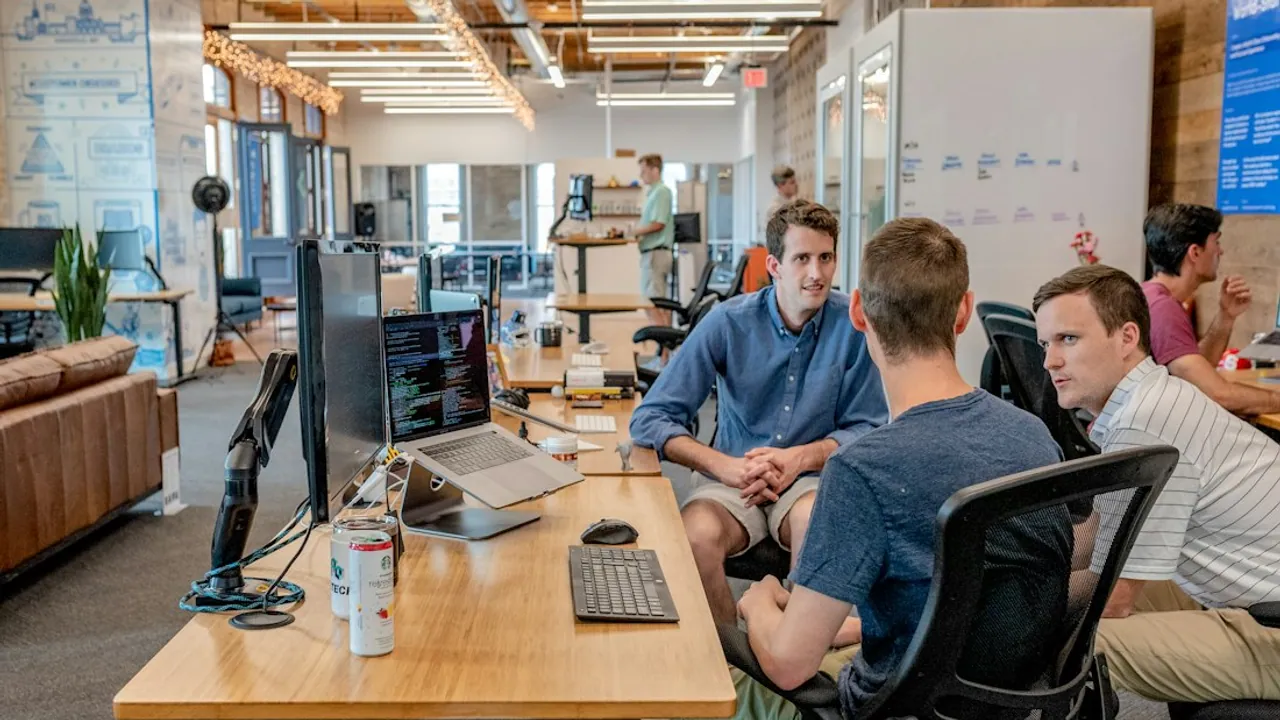
Illustrative news photo · Unsplash / Unsplash ↗
Sources and verification
- Primary sourceSmallRig — 14 Kasım 2026 şirket duyurusu (PR Newswire) ↗
- Technical documentC2PA — Content Credentials teknik standardı ↗
- BackgroundZKM Karlsruhe — THE SCREEN (2026) ↗
- Reporting / cross-checkİDHA İş Dünyası — Türkçe kaynak haberi ↗
Comments
Reader question: What is your view or technical question about this story?
No comments yet. Be the first to contribute.
Reading “SmallRig’s Shenzhen forum: AI, authentic imagery and the future of art” raised this question for me: independent tests should precede firm conclusions.
Editor note: Forward-looking claims in an announcement are not the same as established performance results. Further evidence may change the assessment.
It is important to distinguish what the source verifies from projections about the future.
The next version's measurements should be compared with the initial announcement.
✎ Write a comment