Samsung Announces Major Space Tech Investment: Starlink Chips Moving to Texas
Samsung plans a $1.9 billion investment to move the production of specialized microcontrollers used in SpaceX's Starlink laser communication systems from France to its Austin facility in the USA.
Samsung's Strategic Expansion into Space Tech
Samsung Electronics is preparing a significant investment to strengthen its presence in the space and defense sectors within the United States. The company plans to expand its existing manufacturing operations in Austin, Texas, through a massive $1.9 billion investment. This move aims to diversify Samsung's customer base, which currently includes major technology players like Nvidia, AMD, and Tesla, by moving into the high-tech space industry. The primary focus of this expansion involves bringing the production of specialized communication chips used in SpaceX's Starlink satellite network to American soil, marking a strategic shift in semiconductor manufacturing.
Manufacturing Critical Starlink Communication Chips
According to reports from South Korean media, Samsung intends to produce STM32V8 microcontrollers (MCUs) at its Austin facility. These specific chips play a vital role in the laser communication systems that allow Starlink satellites to connect with one another in orbit. Currently, the production of these components is handled in France. These chips were co-developed through a partnership between Samsung and the France-based STMicroelectronics. SpaceX had previously confirmed in December of last year that the STM32V8 model is utilized within its satellite constellation's communication infrastructure to facilitate data transfer.
Technical Advantages of FD-SOI Architecture
The STM32V8 microcontrollers are built using 18nm FD-SOI (Fully Depleted Silicon-On-Insulator) manufacturing technology. This advanced architecture is designed to combine high processing performance with extremely low power consumption. Such characteristics are essential for maintaining stability and durability in the harsh environments of space, where radiation and extreme conditions are prevalent. The design features an Arm Cortex-M85 core and embedded phase-change memory. These technical specifications allow for significant improvements in machine learning and digital signal processing capabilities compared to previous generations, ensuring reliable performance for satellite-based internet connectivity.
Broadening Production Capabilities and Sectors
The $1.9 billion investment in the Austin plant is not limited to satellite components alone. The facility is expected to support a wide range of manufacturing processes, spanning from 65nm down to 14nm. This expansion will position Samsung as a key supplier of FD-SOI-based chips for various critical industries, including aerospace, defense, and automotive sectors. By enhancing its production capacity, Samsung aims to serve a diverse array of high-reliability markets. This multifaceted approach ensures that the investment provides long-term value beyond a single client, integrating the facility into the broader high-tech industrial ecosystem.
Official Confirmations and Project Timelines
While the investment plans are widely reported, Samsung has noted that it cannot officially confirm specific customer contracts, meaning the Starlink production plan should not be viewed as a newly signed formal order. However, the National Institute of Standards and Technology (NIST) has indicated that the Austin project will support chip production for strategic sectors like defense and aviation. The facility is projected to be fully operational with these new production lines by the year 2030. It is also noted that moving production to the US does not necessarily imply the total cessation of manufacturing at STMicroelectronics' French facilities.
Implications for the Global Semiconductor Market
This massive capital injection highlights Samsung's commitment to securing a leading role in the burgeoning space economy. By localizing the production of critical satellite components in the United States, Samsung is aligning itself with strategic industrial trends. The investment not only bolsters Samsung's technological portfolio but also supports the domestic semiconductor capabilities required for aerospace and defense. Ultimately, this move represents a calculated effort to dominate high-reliability semiconductor markets, ensuring that Samsung remains at the forefront of the next generation of global communication and defense technologies.
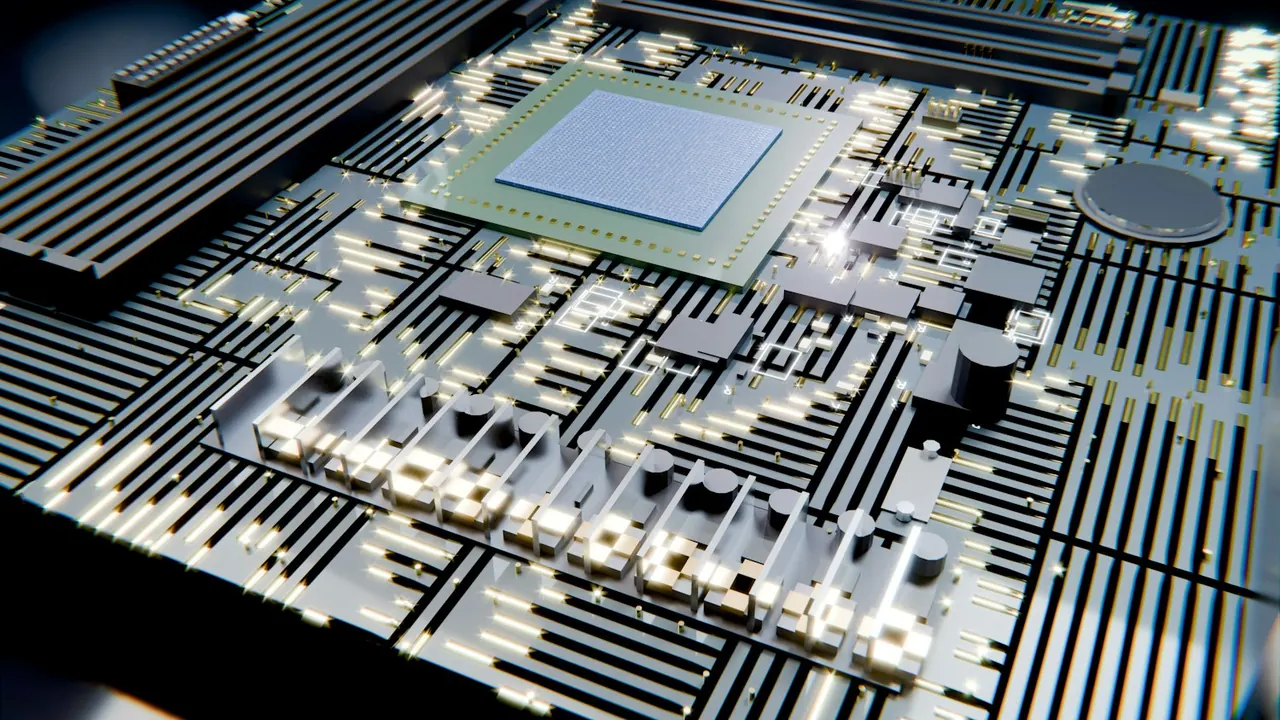
Illustrative news photo · Brecht Corbeel / Unsplash ↗
Sources and verification
- Reporting / cross-checkDonanımHaber ↗
- Reporting / cross-checkTeknoblog ↗
- Reporting / cross-checkturkiyedeisdunyasi ↗
Comments
Reader question: Which outcome of this space research matters most to you?
No comments yet. Be the first to contribute.
Reading “Samsung Announces Major Space Tech Investment: Starlink Chips Moving to Texas” raised this question for me: independent observations would strengthen confidence.
Editor note: Results can vary by scale. Cost, latency and user experience should be compared together.
The learning curve and accessibility also matter for actual users.
A practical case study with load testing or a pilot would help establish the trade-offs.
✎ Write a comment