Take-Two CEO on AI game clones: intellectual property, creative work and the limits of coding agents
Strauss Zelnick raised concerns about AI-assisted game copies and the protection of creative work. We examine the original interview, independent reporting, and the published policies without attributing unproven infringements.
What prompted the comments?
Take-Two Interactive chief executive Strauss Zelnick discussed AI-assisted game cloning in an interview published by IGN on November 9, 2026, as Grand Theft Auto VI approached release. Interviewer Wesley Yin-Poole first raised the possibility of faster copying and unofficial ports, then asked whether Anthropic's approach to Claude Code should be adopted by other AI companies, including OpenAI. The setting matters: the interview was about risks to the company's games and the limits of AI coding tools, not a report documenting a particular product's infringement.
Zelnick argued that companies depending on intellectual property should protect the rights of others as well as their own. Both Anthropic and OpenAI were included in the interviewer's question. His answer expressed a principle and criticism, but it did not identify a particular cloned Take-Two title, user, or infringement judgment.
A creative concern rather than a quantified financial loss
Asked about the potential impact, Zelnick distinguished commercial loss from creative integrity. He did not describe AI cloning as a direct financial threat to Take-Two, but emphasized protecting the developer's intended experience. A major game combines code, artwork, narrative design, performances, sound, and many other contributions. Building something that runs similarly is not necessarily the same as producing that distinctive authored experience.
This difference is important when interpreting statements about piracy or replication. The primary interview did not disclose a validated number of AI-produced copies or a financial damage estimate. The relevant question is therefore not how much money a proven clone has already cost, but what boundaries creators and tool vendors should maintain as code-generation systems become more capable.
What Anthropic changed in Claude Code
Separate reporting about Claude Code describes an instruction aimed at discouraging recreation of a specific existing game while preserving assistance for original games and projects inspired by a genre. That creates a distinction between supporting a developer's new work and recreating another creator's identifiable work. The Verge's reporting provides context for the policy discussed in the interview.
The practical boundary still needs careful testing. Requests that mention a familiar game to explain a broad mechanic should not automatically be treated as instructions to duplicate protected characters, levels, or assets. Product-specific guidance cannot establish how every version and every AI service behaves. Developers need to review licenses, inputs, generated assets, and usage constraints instead of assuming all generated code is freely reusable.
What the exchange does and does not establish about OpenAI
The headline naturally brings OpenAI into the conversation, but the published interview does not provide a concrete example of an infringing ChatGPT or Codex output. It also does not contain a ruling against any company. OpenAI's public usage policies prohibit attempts to infringe other people's intellectual-property rights, which establishes a general policy position. Whether a specific request is allowed by a specific product is a separate implementation question.
Comparing the policy documents with real software behavior would require versioned product tests and examples. The existing material supports a discussion about responsibility across AI providers; it does not support a definitive claim that one of the named providers approved or produced a specific unlawful clone.
Practical implications for game teams and developers
Software teams can respond by documenting the origin and permissions of code, artwork, music, and reference material used in production. A project built on licensed tools and original assets raises different questions from a request to recreate a named game's protected content. Similar gameplay mechanics alone should not be automatically equated with a proven violation, and unfamiliar legal issues deserve qualified human review.
AI coding tools can accelerate ordinary prototyping, testing, and debugging without replacing editorial and legal decisions. In practice, source tracking, asset licensing records, and clear review steps are more useful than blanket assumptions that all AI-generated work is either permitted or prohibited. These recommendations are analysis of the broader engineering implications, rather than claims of actions already taken by Take-Two.
What to watch next
The meaningful follow-up will be the real behavior of AI tools when users ask for either a direct clone or a genuinely original project within a familiar genre. Teams will want evidence of consistent boundaries, an appeals path for mistaken refusals, and workable reporting for rights holders. The IGN interview is the best source for the exact context of Zelnick's remarks; further reporting explains the Claude Code change, while the providers' published policies show their general rules.
For now the carefully supported conclusion is narrower than a confrontational headline: an executive raised a concern about protecting creative work, described it as a creative rather than an immediate financial issue, and urged AI companies to apply intellectual-property protections consistently. The debate remains active, and technical behavior should be evaluated against current versions rather than presumed from a single quote.
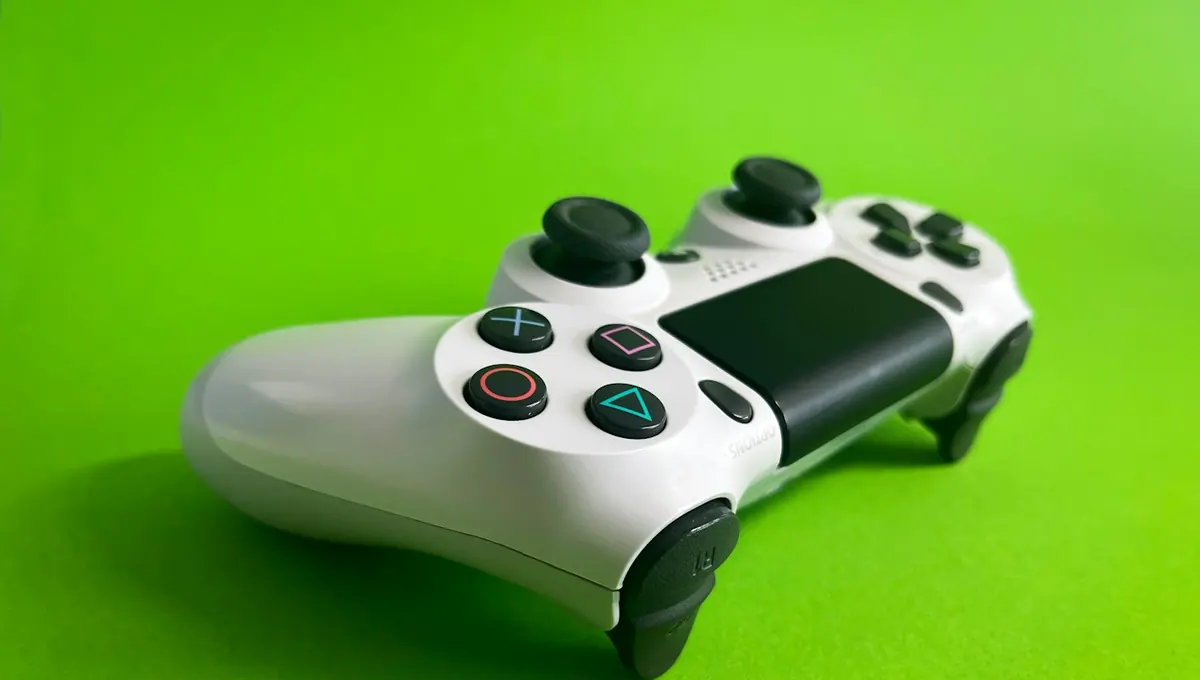
Illustrative news photo · Igor Karimov / Unsplash ↗
Sources and verification
- Primary sourceIGN röportajı — Wesley Yin-Poole (Yahoo üzerinden) ↗
- Technical documentOpenAI kullanım politikaları ↗
- Reporting / cross-checkShiftDelete.Net — Strauss Zelnick haberi ↗
- Reporting / cross-checkThe Verge — Claude Code oyun kopyası sınırı ↗
Comments
Reader question: What is the biggest opportunity or risk of this AI development?
No comments yet. Be the first to contribute.
Reading “Take-Two CEO on AI game clones: intellectual property, creative work and the limits of coding a” raised this question for me: I would like clarity on user consent and data privacy.
Editor note: Product claims and measured outcomes should be assessed separately. A small pilot with defined metrics is a useful first step.
We should also discuss maintenance cost. An easy rollout does not guarantee trouble-free upgrades.
I would start with a pilot and measurable success criteria rather than assuming a launch means proven value.
✎ Write a comment