AI enters CAD, PCB design and physical engineering workflows
OpenAI described projects in which its models support mechanical design, circuit-board engineering and simulation—tasks that still demand specialized verification.
From conversation to engineering workflows
OpenAI's November 3, 2026 research article described ways models are being used to support physical product development. Examples include CAD preparation, PCB design, simulation setup and coordination across different engineering disciplines. The goal is to help experts iterate more efficiently, not to replace engineering judgment with a single generated answer.
Physical products introduce new consequences
A mistaken change in a web app may be rolled back. An incorrectly dimensioned part can waste material, delay production or create a safety hazard. Engineering depends on tolerances, thermal behavior, vibration, electromagnetic effects and supply constraints. AI-generated proposals must be tested within those constraints before becoming production artifacts.
Where assistance can be practical
Summarizing dense documentation, comparing components, explaining design trade-offs and drafting simulation cases can reduce repetitive work. Editing a design file can also be useful, but the file still needs to open in professional tools, pass rule checks and survive tests on representative hardware.
Build a verifiable process
Specify the task, input references and expected outputs. Evaluate the proposal through rule-checking software, simulation and human review. Production files should carry version history and an undo path. Productivity claims should account for retries, redesigns and defect detection, not only the time required to make a first draft.
What the announcement does not prove
OpenAI presents early evidence of useful engineering workflows, not a guarantee that a general-purpose model can reliably design every physical system. Future measurement should consider defect rates, verified time savings and quality as well as generation speed. Source: OpenAI, November 3, 2026.
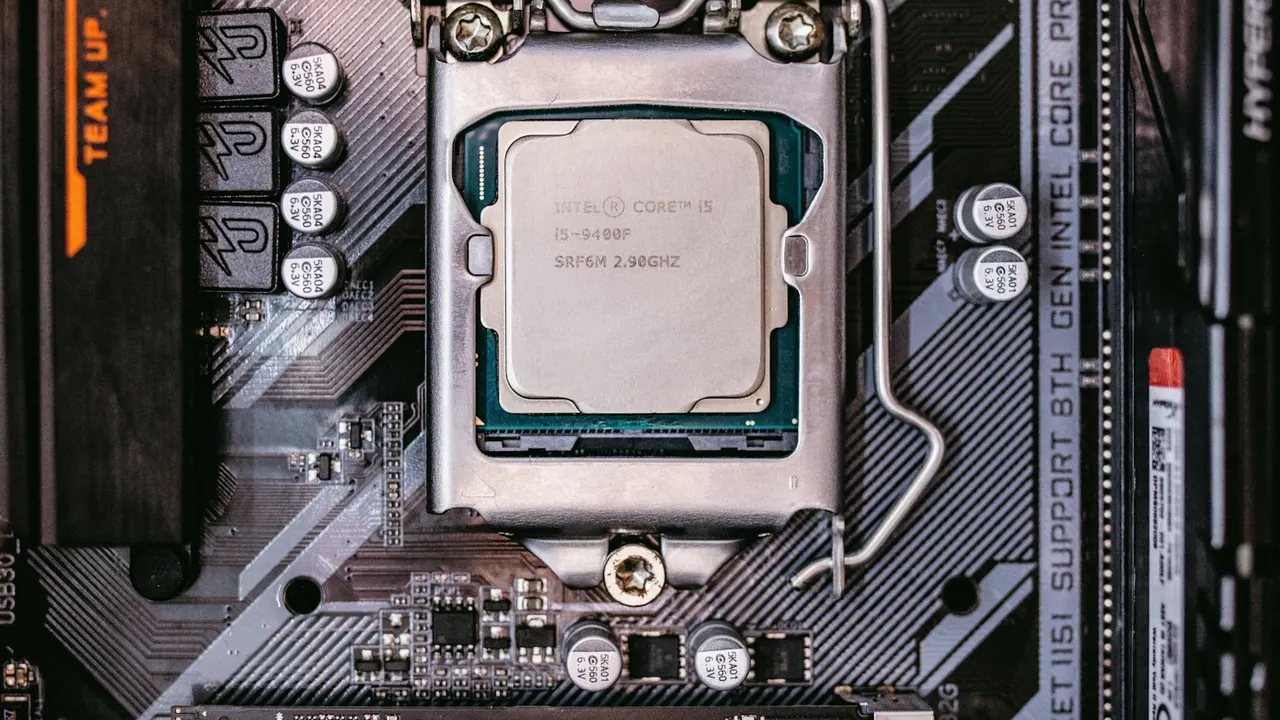
Source-based editorial coverage. The photo represents the subject and is not documentary evidence of the specific company or event. Photo: Jonathan Borba / Unsplash ↗
Read at original source ↗