AlphaGenome 2: Deciphering how cells read DNA to better understand disease
Predicting how DNA sequences and their variations impact specific human cell types and disease.
One genome, many cell types
Heart and immune cells share essentially the same DNA sequence but activate different genes. Understanding those differences helps researchers interpret disease-related variants. Google DeepMind introduced AlphaGenome 2 on November 11, 2026, focusing on predictions tailored to specific cell types and biological states.
How the new model differs
The original AlphaGenome approach predicted effects across broad tissues. AlphaGenome 2 conditions predictions on a particular cell type or state, aiming for more precise interpretation. DeepMind says its training material includes over 100 million individual cell profiles. Large training sets can help but do not independently demonstrate clinical effectiveness.
Prioritizing experiments
There are too many possible genetic variants to validate exhaustively in the laboratory. Predictive models can help scientists decide which changes deserve investigation first. These outputs are hypotheses rather than diagnoses, and their reliability may differ across cell states, populations and measurement methods.
Scientific and ethical limits
DeepMind explicitly says AlphaGenome 2 is intended for research, not approved or validated for clinical diagnostic or therapeutic use. That distinction matters. Predictions should not determine patient treatment without appropriate evidence and regulatory oversight. Data privacy, population representation and false-positive costs remain relevant.
How to evaluate future progress
Independent replication and experimental validation of previously uncertain variants are stronger indicators than model scale alone. This editorial analysis is based on DeepMind's November 11, 2026 announcement and is not medical advice.
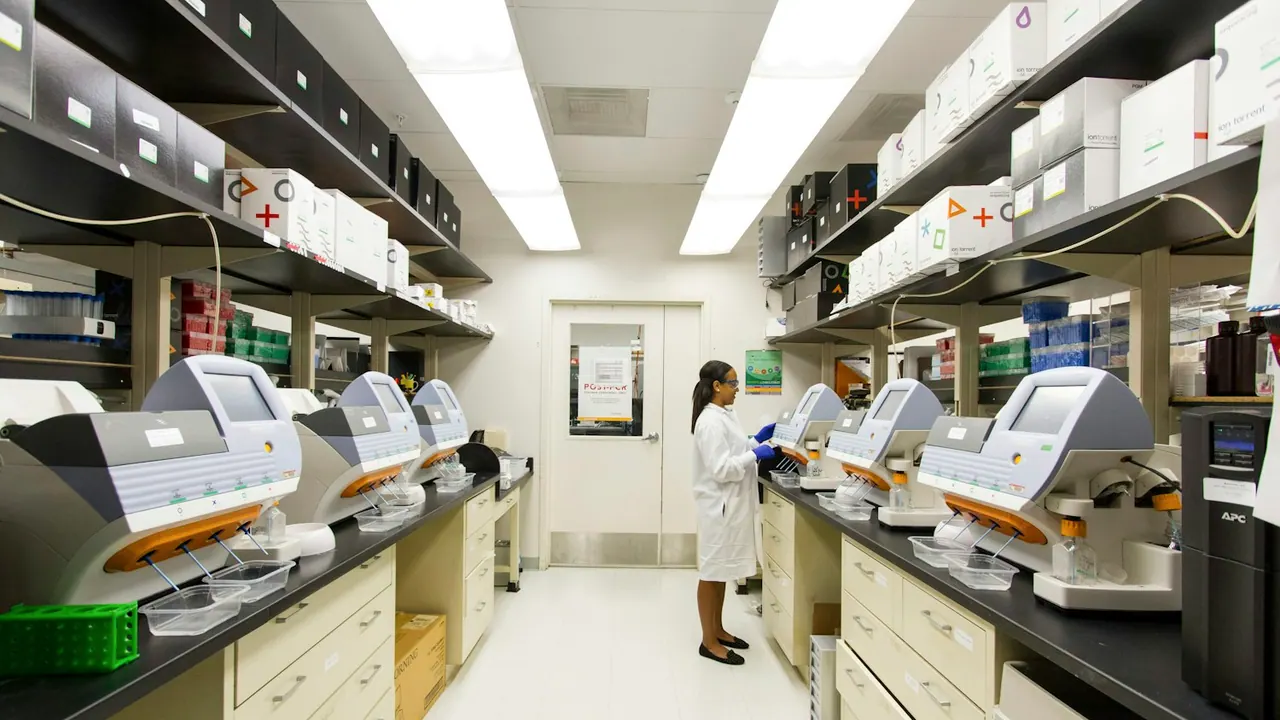
Source-based editorial coverage. The photo represents the subject and is not documentary evidence of the specific company or event. Photo: National Cancer Institute / Unsplash ↗
Read at original source ↗